Heavy equipment is the backbone of construction, mining, and industrial operations. When machines fail, projects slow down, costs rise, and safety risks increase. You need to understand what causes breakdowns so you can prevent them and keep your operations running smoothly.
One major cause of equipment failure is poor maintenance. Many operators delay routine servicing to save time or money. This often leads to bigger problems. Oil becomes dirty. Filters clog. Moving parts wear out faster. A simple oil change or inspection can prevent engine damage and extend machine life. You should follow a strict maintenance schedule and keep detailed service records for every machine.
Another common issue is operator error. Heavy equipment requires skill and attention. Inexperienced or careless operators can overload machines, use the wrong settings, or ignore warning signs. This puts stress on key components like engines, hydraulics, and transmissions. You should train your operators regularly. Make sure they understand how to use each machine correctly and safely.
Contamination is also a serious problem. Dust, dirt, and water can enter critical systems such as fuel, oil, and hydraulics. Once inside, they cause corrosion and reduce efficiency. For example, dirty fuel can damage injectors. Contaminated hydraulic fluid can affect pressure and performance. You should store fluids properly, use clean containers, and replace filters on time.
Wear and tear is inevitable, but neglect makes it worse. Parts like belts, hoses, and seals degrade over time. If you ignore small cracks or leaks, they can turn into major failures. A worn-out hose can burst and stop operations completely. Regular inspections help you spot these issues early. Replace worn parts before they fail.
Overheating is another leading cause of breakdown. Engines and hydraulic systems generate heat during operation. If cooling systems fail, temperatures rise quickly. This can damage engines, warp components, and reduce performance. Common causes include low coolant levels, blocked radiators, and faulty fans. You should check cooling systems daily and clean radiators to ensure proper airflow.
Improper lubrication also leads to equipment failure. Moving parts need the right type and amount of lubricant to reduce friction. Without it, components grind against each other and wear out quickly. Over-lubrication can also cause problems by attracting dirt and creating pressure buildup. You should always use the recommended lubricants and apply them correctly.
Electrical issues are often overlooked but can stop a machine instantly. Faulty wiring, weak batteries, and damaged sensors can disrupt operations. These problems are common in harsh environments where equipment is exposed to moisture and vibration. Regular checks of electrical systems help you avoid unexpected downtime.
Poor storage conditions can damage equipment even when it is not in use. Exposure to rain, sun, and extreme temperatures can weaken materials and cause rust. Machines stored without proper protection often develop issues before they are even used. You should keep equipment in sheltered areas and cover it when not in use.
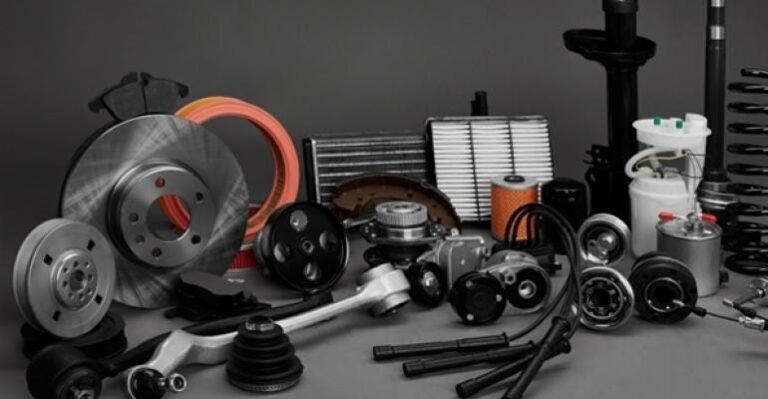
Finally, using low-quality parts and fluids can shorten the life of your equipment. Cheap alternatives may seem cost-effective, but they often fail faster and cause damage to other components. You should invest in high-quality parts and follow manufacturer recommendations.
To reduce breakdowns, you need a proactive approach. Train your team. Follow maintenance schedules. Inspect equipment regularly. Use quality parts and fluids. These steps will help you avoid costly repairs, improve safety, and keep your projects on track.
At Innate Reliable Solutions Ltd, we support you with expert maintenance services, inspections, and reliable solutions to keep your heavy equipment performing at its best.