Using original parts protects your vehicle. It improves performance. It reduces breakdowns. It saves money over time. Many fake parts look similar to genuine ones. You need clear steps to spot the difference.
Here is how you identify original Toyota parts in the market.
Check the packaging
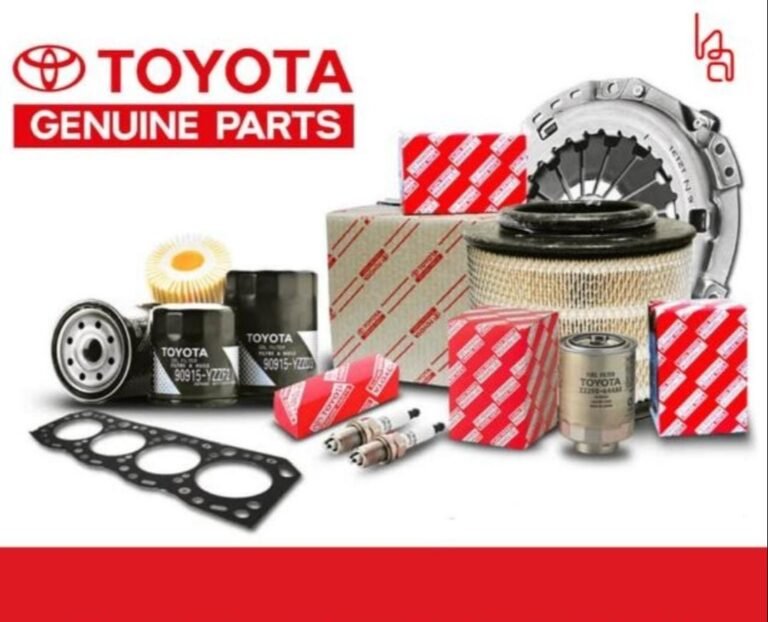
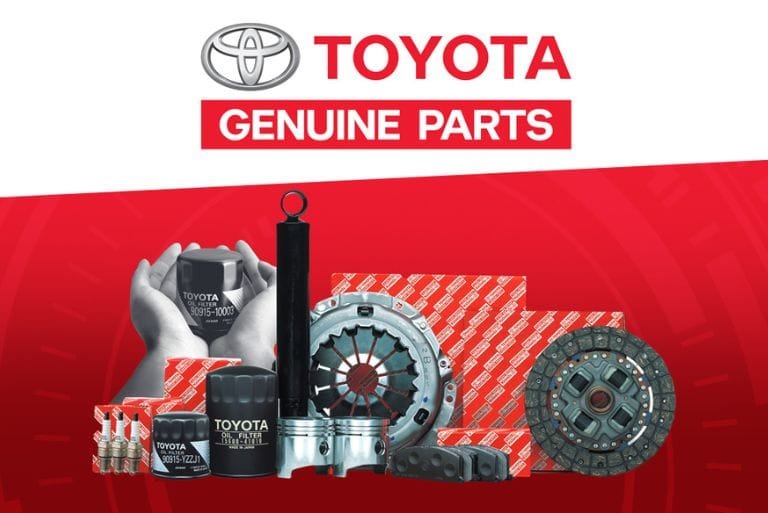
Original parts come in high quality packaging. The box is strong and clean. Printing is sharp and clear. You will see the official Toyota logo. Colors are consistent.
Look for:
• Correct spelling with no errors
• Clear barcode and part number
• Sealed packaging, not tampered
Fake parts often come in weak boxes. The print looks faded. Some words are misspelled.
Verify the part number
Every original Toyota part has a unique part number. This number matches the exact component.
Steps to follow:
• Check the part number on the box
• Compare it with the number on the part
• Confirm it with a trusted dealer or catalog
If the numbers do not match, do not buy it.
Inspect the build quality
Original parts have a solid feel. The finish is smooth. Edges are clean. Materials are strong.
Look closely at:
• Weight. Genuine parts are often heavier
• Surface finish. No rough edges
• Markings. Clear and permanent
Fake parts feel light. They may have rough edges or poor finishing.
Look for brand markings
Most original Toyota parts have markings. These include the logo, part number, or manufacturer code.
Check for:
• Engraved or stamped marks
• Clear and readable text
• Proper alignment
Fake parts may have no markings. Some may use stickers that peel off.
Buy from trusted suppliers
Where you buy matters. Reliable suppliers reduce your risk.
Choose sellers who:
• Specialize in Toyota parts
• Have a strong reputation
• Provide receipts and warranty
Avoid roadside sellers with no proof of source. Cheap prices often mean fake parts.
Compare the price
Original parts have a stable price range. If the price is too low, be careful.
For example:
• A genuine brake pad has a standard market price
• A fake version may cost 30 to 50 percent less
Low price attracts buyers. It also increases risk of failure.
Check for warranty
Original Toyota parts often come with warranty. This shows confidence in quality.
Ask for:
• Warranty card or receipt
• Clear return policy
Fake parts rarely come with warranty. If they do, it is often unreliable.
Use a professional mechanic
A trained mechanic can spot fake parts fast. They understand details that many people miss.
Work with mechanics who:
• Have experience with Toyota vehicles
• Know common fake parts in the market
This step reduces costly mistakes.
Watch out for common fake parts
Some parts are commonly copied because they sell fast.
These include:
• Brake pads
• Oil filters
• Air filters
• Spark plugs
• Suspension parts
Always double check these items before buying.
Why this matters
Fake parts damage your vehicle. They wear out faster. They can cause serious failure.
Real example:
• A fake oil filter can block oil flow
• This can damage your engine within weeks
Original parts last longer. They protect your engine. They reduce repair costs.
Final advice
Take your time before buying. Inspect the part. Ask questions. Compare options.
At Innate Reliable Solutions Ltd, you get access to trusted Toyota parts. You receive quality, reliability, and support you can trust.
Choose original. Protect your investment. Keep your vehicle running strong.